
A Family Archive, Not a Photo Library
On authorship, legacy, and treating photographs as bodies of work
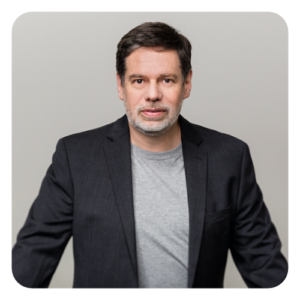
Eugenio
Over the years, I’ve accumulated a large personal collection of photographs, but the deeper motivation for this project comes from my father’s body of work. Photography was not simply a hobby for him. He photographed consistently and deliberately for decades, participated in local exhibitions, won numerous ribbons through photography clubs and shows, and later in life even taught Photoshop editing to others. While his photography was never a source of income, it was practiced with rigor, curiosity, and intent. His images document family life, travel, and everyday moments, but they also reflect a sustained personal vision that deserves to be preserved and understood on its own terms.
This project is my attempt to treat both his work and my own with the same level of care one would give to any serious photographic archive. Rather than organizing everything purely by date or convenience, I’m structuring the archive around authorship first, then time and context. My father’s photographs and mine will coexist within a single system, but remain clearly distinguished through folder structure and metadata. Original files will live in a stable, long-term storage hierarchy, while meaning – who created the image, when it was made (even approximately), who or what appears in it, and why it matters – will be captured through descriptive metadata rather than file names alone. My core tool, Lightroom Classic, will serve here not as an editing tool, but as an indexing and research layer that allows the archive to be searched, filtered, and navigated without sacrificing the integrity of the originals. I’ll also be looking at, and writing about other technical solutions, my setup and some of the work I’ll include in our software platform at Lignia.art.
Ultimately, my goal is not simply to “organize photos,” but to create an archive that preserves intent, authorship, and continuity across generations. I want this collection to be intelligible years from now—to myself, to my children, and to anyone else who encounters it—without requiring personal explanation. At the end of this process, I’m aiming for something closer to a small, well-maintained, curated photographic library than a personal backup: a place where two bodies of work can be explored independently or together, and where images are not only stored, but situated in time, context, and meaning.

Helping artists and families preserve creative legacies with care, intention, and the right tools.
“Your work is a garden. Let’s make sure it grows beyond you.”